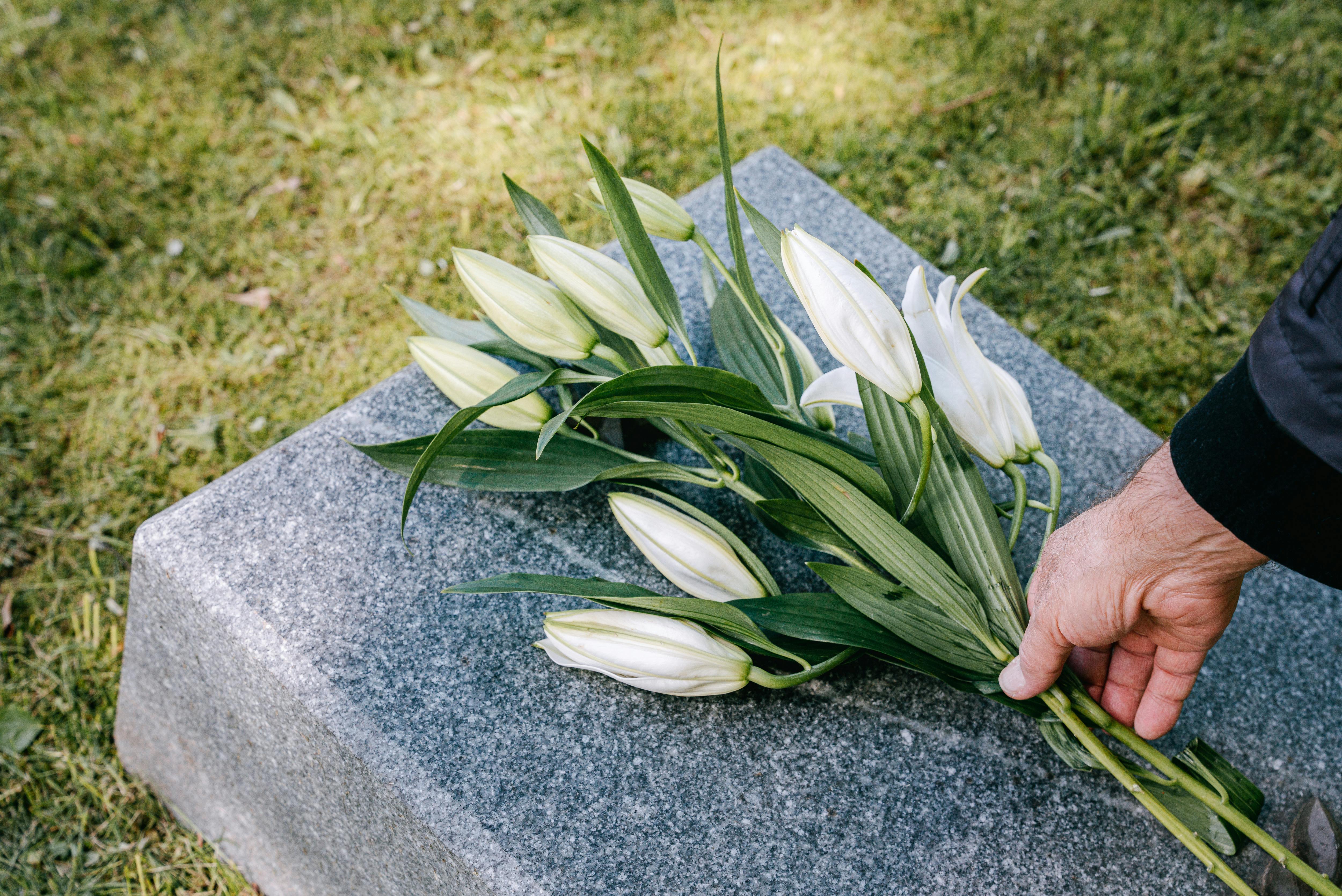
Guide to Funeral Etiquette
Attending a funeral or memorial service can feel overwhelming, especially when you want to show respect and support for grieving families. Understanding proper funeral etiquette helps you navigate these meaningful moments with grace and compassion.
At Kurtz & McFadden Family Funeral Home, we believe that every gesture of support matters during times of loss. Whether you're attending traditional funeral services, cremation services, or memorial services for families we serve, knowing the appropriate ways to express your condolences can provide comfort to those who are grieving.
What to Wear to a Funeral
Traditional funeral attire tends toward conservative, respectful clothing in darker colors like black, navy, or gray. However, some families may request brighter colors to celebrate their loved one's life. When in doubt, choose modest, well-fitting clothing that shows respect for the occasion.
Avoid overly casual items like shorts, flip-flops, or revealing clothing. Business attire or what you might wear to a place of worship is typically appropriate. If the service has specific cultural or religious requirements, the family or funeral home will often provide guidance to help guests dress appropriately.
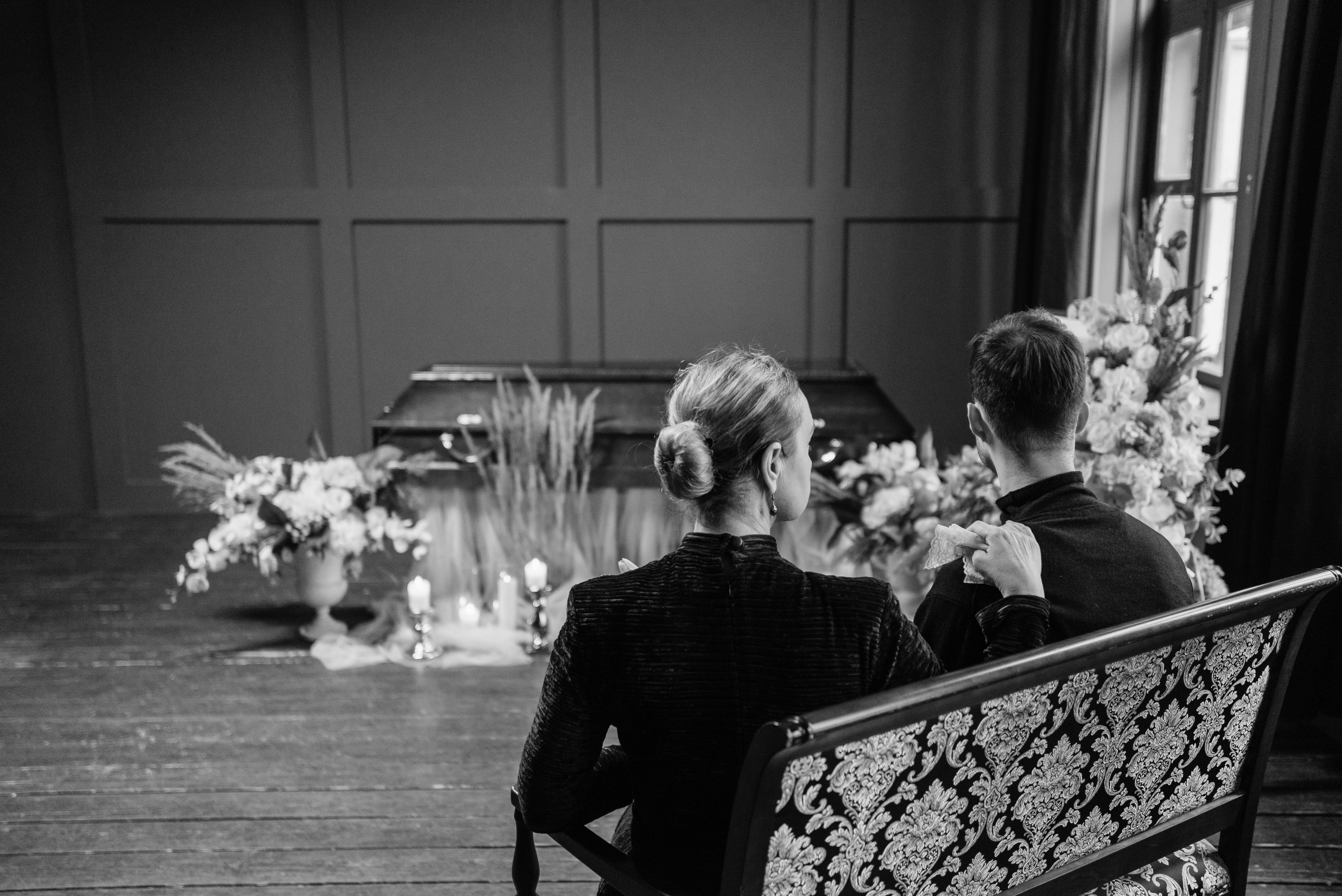
Expressing Condolences and Offering Support
Simple, heartfelt words often mean the most to grieving families. Phrases like "I'm sorry for your loss" or "Your loved one will be remembered" offer genuine comfort. Share a brief, positive memory if you knew the deceased, but keep your words concise and focused on the family's feelings.
Consider practical ways to show support, such as bringing a meal, offering to help with arrangements, or simply being present. Send flowers, make a charitable donation, or sign the guest book to let the family know you were there. These gestures provide lasting comfort during difficult times.
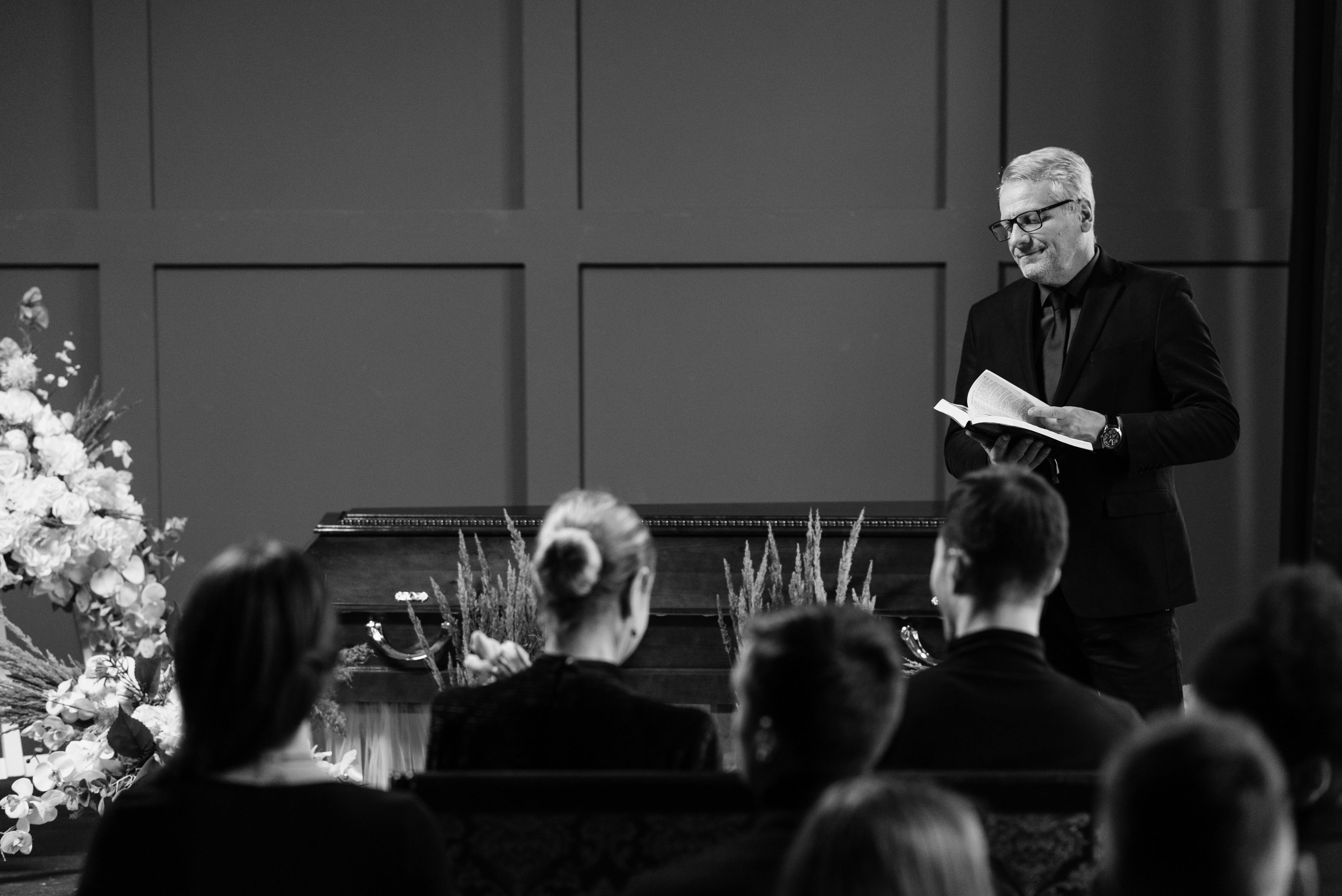
Proper Behavior During Services
Arrive on time and turn off or silence electronic devices before entering the service. Follow the lead of others regarding standing, sitting, or participating in religious customs. It's perfectly acceptable to attend even if you're not of the same faith as the family.
During the service, listen respectfully and avoid conversations unless participating in designated sharing time. If you become emotional, it's natural and acceptable. Step outside quietly if you need a moment to compose yourself. Remember that your presence alone shows respect and support for the family.